Introduction
In today’s competitive economy, businesses are constantly evolving to stay profitable and sustainable. One concept that has gained attention in recent years is MWG business models. MWG typically refers to Modern Wealth Generation, a strategic approach that focuses on scalable income streams, digital transformation, and long-term value creation. Understanding MWG business models can help entrepreneurs, startups, and established companies design smarter strategies for growth.
This article explains what MWG business models are, how they work, and why they are becoming increasingly relevant in modern business environments.
What Are MWG Business Models?
MWG business models emphasize creating multiple, diversified revenue streams rather than relying on a single source of income. These models often combine traditional business practices with modern tools such as technology, automation, data-driven decision-making, and digital platforms.
The core idea behind MWG is to generate sustainable wealth over time, not just short-term profits. Businesses using MWG models focus on scalability, efficiency, and adaptability.
Key Components of MWG Business Models
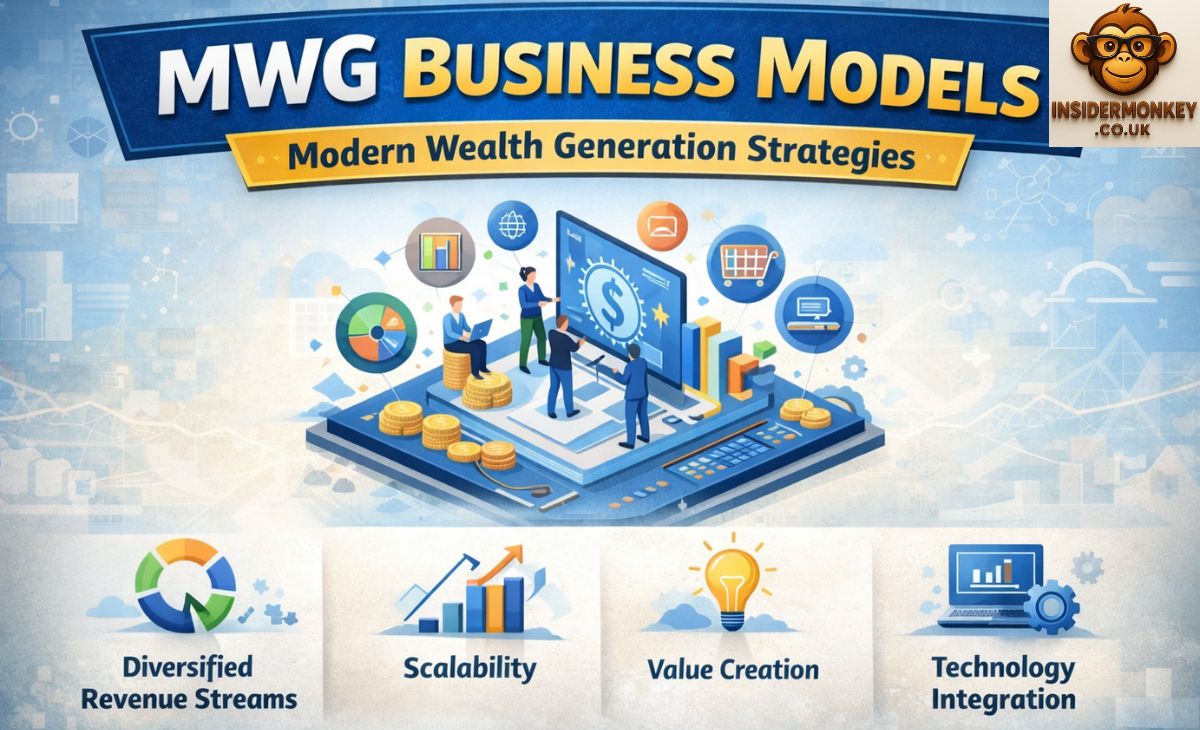
1. Diversified Revenue Streams
Instead of depending on one product or service, MWG business models encourage multiple income channels. These may include subscriptions, digital products, services, partnerships, or licensing.
2. Scalability
A strong MWG model is designed to grow without significantly increasing costs. Digital platforms, online services, and automation play a major role in achieving scalability.
3. Value Creation
MWG models focus on solving real problems for customers. Long-term value creation leads to customer loyalty, repeat business, and stronger brand equity.
4. Technology Integration
Technology is central to MWG business models. Cloud systems, analytics, AI tools, and digital marketing help businesses optimize operations and reach broader audiences.
Types of MWG Business Models
Subscription-Based Model
This model generates recurring revenue through monthly or annual subscriptions. It provides predictable cash flow and improves customer retention.
Platform-Based Model
Businesses create platforms that connect users, service providers, or sellers. Revenue is generated through commissions, fees, or premium features.
Digital Product Model
Selling eBooks, courses, software, or digital tools allows businesses to scale quickly with low production costs.
Service + Product Hybrid Model
Many MWG businesses combine services with products, offering consulting, training, or support alongside digital or physical products.
Benefits of MWG Business Models
-
Financial Stability: Multiple income streams reduce financial risk.
-
Long-Term Growth: Focus on sustainability rather than quick profits.
-
Operational Efficiency: Automation and technology lower costs.
-
Market Adaptability: Easier to pivot during market changes.
These benefits make MWG business models attractive for startups and growing enterprises.
Challenges of Implementing MWG Business Models
While MWG business models offer many advantages, they also come with challenges:
-
Initial setup may require higher investment
-
Requires strategic planning and market research
-
Technology adoption can be complex
-
Managing multiple revenue streams needs strong systems
Businesses that address these challenges early are more likely to succeed.
MWG Business Models in Real-World Applications
Many modern companies use MWG principles without labeling them explicitly. Examples include businesses that combine online education, consulting, and subscription communities, or companies that sell products while monetizing content and partnerships.
The common factor is a long-term wealth mindset supported by smart systems and customer-focused strategies.
How to Build an Effective MWG Business Model
-
Identify a real market problem
-
Design multiple revenue opportunities
-
Use technology to automate operations
-
Focus on customer experience and value
-
Continuously analyze and optimize performance
A well-structured MWG business model evolves with market demands and customer needs.
Conclusion
MWG business models represent a modern approach to building sustainable and scalable businesses. By focusing on diversification, technology integration, and long-term value creation, these models help companies adapt to changing markets and achieve consistent growth. Whether you are a startup founder or an established business owner, understanding and applying MWG principles can significantly improve your business strategy and financial outcomes.
FAQs About MWG Business Models
1. What does MWG stand for in business models?
MWG generally refers to Modern Wealth Generation, focusing on sustainable and scalable income strategies.
2. Are MWG business models suitable for small businesses?
Yes, small businesses can adopt MWG principles by diversifying income and using digital tools.
3. Do MWG business models rely heavily on technology?
Technology plays an important role, but the core focus remains value creation and scalability.
4. Can traditional businesses adopt MWG business models?
Absolutely. Many traditional businesses evolve into MWG models by adding digital and subscription-based elements.
5. Are MWG business models sustainable long term?
Yes, when implemented correctly, they support long-term growth and financial stability.