Introduction
United Airlines Flight UA770 Emergency Diversion made headlines after reports emerged of an emergency diversion, raising questions among passengers and aviation followers. Emergency diversions are not uncommon in commercial aviation, but they often spark concern due to safety perceptions and limited public information at the early stages.
This article explains what an emergency diversion means, possible reasons behind the UA770 incident, how airlines handle such situations, and what passengers can expect when a flight is diverted.
Understanding Emergency Diversions in Commercial Aviation
An emergency diversion occurs when an aircraft is required to land at an alternate airport instead of its original destination. This decision is made by the flight crew in coordination with air traffic control and airline operations.
Diversions are initiated to prioritize passenger safety, even if the issue is precautionary rather than critical. Modern aviation regulations encourage pilots to act early instead of continuing a flight with potential risks.
United Airlines Flight UA770: Overview of the Situation
United Airlines Flight UA770 was reportedly diverted after the crew identified a situation that required immediate attention. While early reports often circulate quickly on social media, airlines usually release confirmed details only after a full internal review.
It is important to note that:
-
An emergency declaration does not always mean danger
-
Many diversions are conducted out of caution
-
Aircraft systems are designed with multiple backups
United Airlines, like other major carriers, follows strict safety protocols that require pilots to divert if there is any uncertainty about aircraft performance, medical emergencies, or external factors.
Possible Reasons for the UA770 Emergency Diversion
While exact causes can vary, the most common reasons for emergency diversions include:
1. Medical Emergency Onboard
Passenger or crew medical issues are one of the most frequent causes of diversions. If immediate medical care is required, landing at the nearest suitable airport is standard procedure.
2. Technical or Mechanical Alerts
Aircraft systems may display warnings related to engines, hydraulics, or cabin pressure. Even if the aircraft remains fully controllable, pilots may divert to avoid further complications.
3. Cabin Pressurization Concerns
Any irregularity in cabin pressure is treated seriously. Pilots are trained to descend and land as quickly and safely as possible.
4. Weather or Environmental Factors
Unexpected severe weather, turbulence, or runway conditions at the destination can also lead to diversions.
5. Operational or Security Issues
Rarely, operational irregularities or security-related concerns may prompt precautionary diversions.
How United Airlines Handles Emergency Diversions
United Airlines operates under FAA regulations and international safety standards, which outline detailed procedures for diversions. Once the decision is made:
-
Air traffic control clears the aircraft for priority landing
-
Emergency services are placed on standby (if required)
-
Passengers are informed by the flight crew
-
Ground teams prepare support for aircraft inspection and passenger assistance
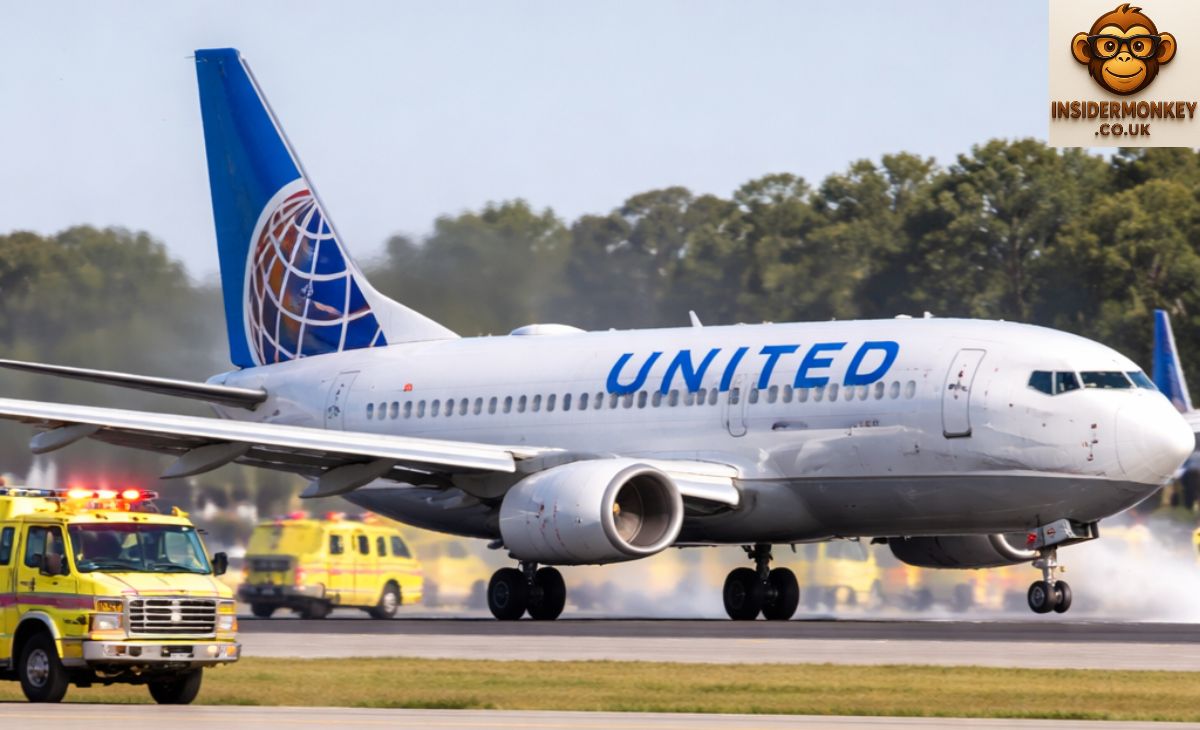
In many cases, emergency vehicles are present as a standard precaution, even if the situation is under control.
Passenger Experience During a Diversion
For passengers on Flight UA770 or similar situations, a diversion can be stressful, especially if information is limited. However, airlines typically aim to:
-
Keep passengers informed through announcements
-
Arrange alternate flights or rebooking
-
Provide meals, accommodations, or travel assistance if delays extend
Once on the ground, aircraft engineers inspect the plane before it is cleared to continue service.
Safety Record and Aviation Reliability
Despite the attention emergency diversions receive, commercial aviation remains one of the safest modes of transportation. Diversions are evidence that safety systems are working as intended.
Pilots undergo extensive training to manage:
-
In-flight emergencies
-
Risk assessment and decision-making
-
Passenger communication during abnormal events
A diverted flight does not automatically indicate a serious failure; in many cases, it reflects a preventive safety decision.
Impact on United Airlines Operations
While diversions can cause temporary disruptions, major airlines like United Airlines maintain contingency plans to minimize passenger inconvenience. Fleet redundancy, crew scheduling flexibility, and airport partnerships help restore normal operations quickly.
United Airlines routinely reviews such incidents to improve procedures and ensure compliance with safety standards.
Conclusion
The emergency diversion of United Airlines Flight UA770 highlights the aviation industry’s strong emphasis on safety and preventive action. While such events can be unsettling for passengers, they demonstrate that pilots and airlines are trained to respond quickly and responsibly.
Emergency diversions are not failures—they are safety decisions designed to protect everyone onboard. As more verified details become available, airlines typically provide official updates, reinforcing transparency and passenger trust.
Frequently Asked Questions (FAQs)
What does an emergency diversion mean?
An emergency diversion means the aircraft landed at a different airport than planned due to a situation requiring immediate attention, often as a precaution.
Was United Airlines Flight UA770 in danger?
An emergency declaration does not necessarily indicate danger. Most diversions are precautionary and conducted under full control.
Do emergency vehicles always mean something serious?
No. Emergency services often meet aircraft as a standard safety protocol, even when the issue is minor.
Will passengers receive compensation after a diversion?
Compensation depends on the cause, delay length, and airline policy. Passengers are usually rebooked or assisted with accommodations if needed.
Are aircraft inspected after emergency diversions?
Yes. Aircraft undergo thorough inspections before being cleared for further flights.
How common are emergency diversions?
Diversions are relatively common across global aviation and are considered part of routine safety management.