
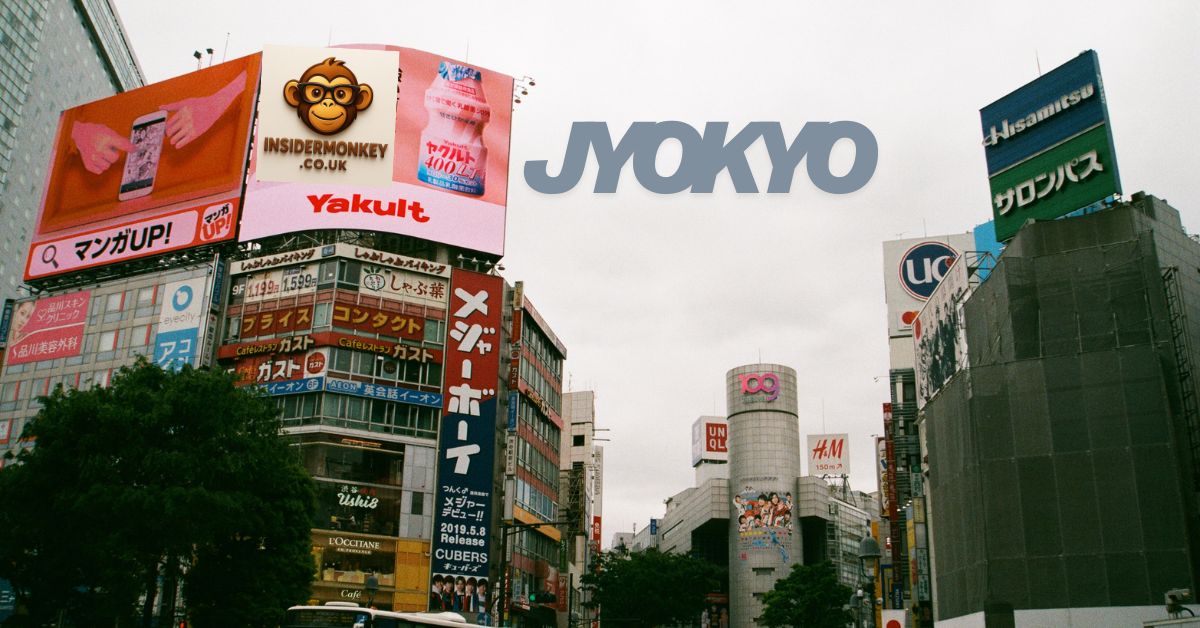
Introduction Jyokyo
Moving to a new city is a big step, no matter where you are in the world. In Japan, there’s a specific term for this experience: jyokyo. This word describes the act of moving from the countryside or a smaller town to a major metropolitan area, most often Tokyo. For many young people, jyokyo is more than just a change of address; it’s a significant life event filled with ambition, opportunity, and the challenges of adapting to a new environment.
This journey is a common theme in Japanese culture, appearing in everything from novels and movies to anime and music. It captures the dreams of those seeking better education, career prospects, and a more exciting lifestyle in the bustling heart of Japan. Understanding the concept of jyokyo provides a unique window into the social dynamics, aspirations, and personal stories that shape modern Japanese society.
This post will explore the meaning of jyokyo, its cultural importance, and the reasons so many people embark on this journey. We will also look at the common challenges they face and how the experience has been portrayed in popular culture.
Understanding the Term “Jyokyo”
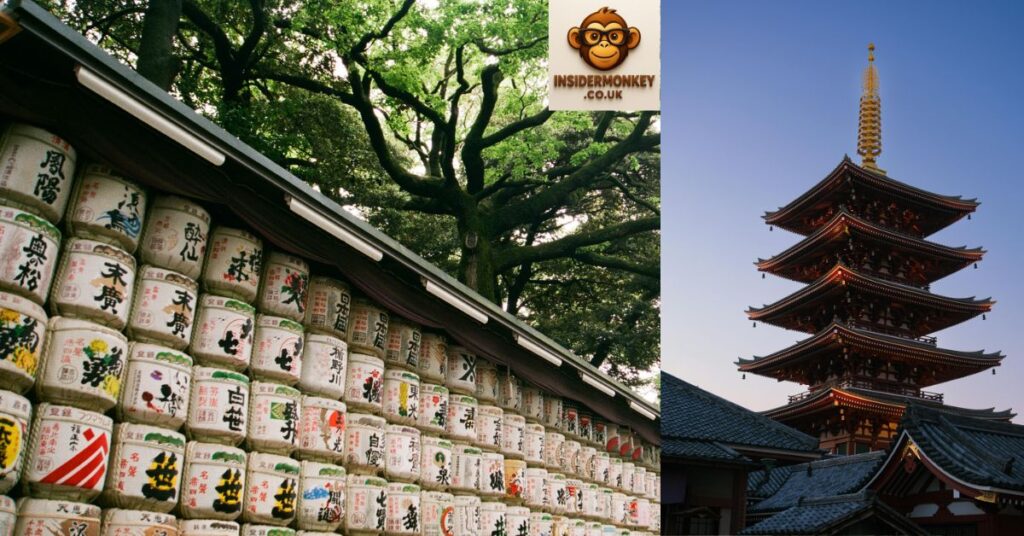
The word jyokyo (上京) is made up of two kanji characters:
- 上 (jō): This character means “up” or “to go up.”
- 京 (kyō): This refers to “the capital city.”
Put together, jyokyo literally translates to “going up to the capital.” Historically, the term specifically meant moving to Kyoto, which was Japan’s imperial capital for over a thousand years. However, after the capital was moved to Tokyo during the Meiji Restoration in 1868, the meaning of jyokyo shifted. Today, it almost exclusively refers to the migration to Tokyo.
While one could technically use the term for moving to other major cities like Osaka or Nagoya, it’s most strongly associated with Tokyo. This is because Tokyo is not just the political capital but also the undisputed center of Japan’s economy, culture, and education system. The city acts as a magnet for talent and ambition from all corners of the country.
Why Do People “Jyokyo”?
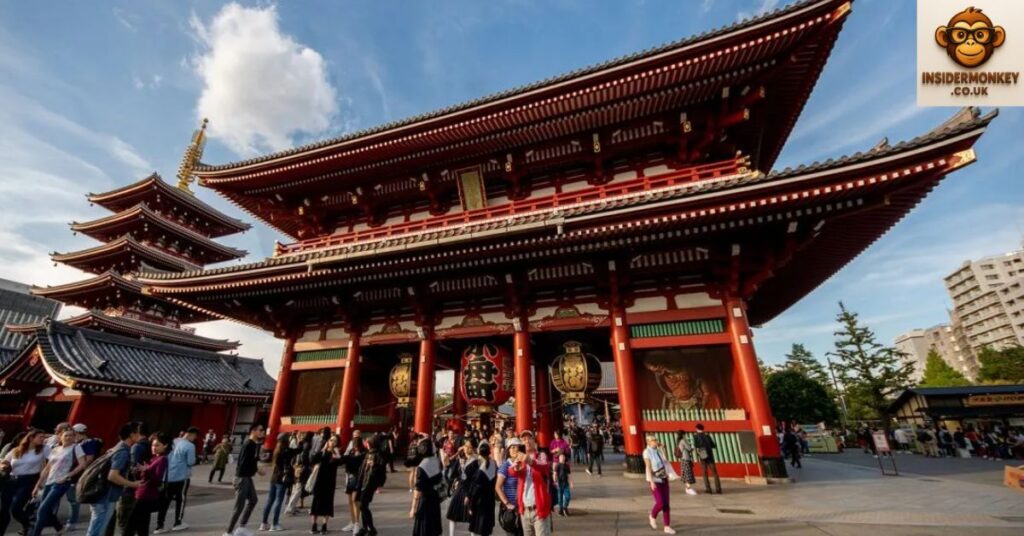
The decision to move to a major city is a deeply personal one, but several common motivations drive the jyokyo phenomenon. These aspirations reflect the opportunities that a massive urban center like Tokyo can offer compared to more rural areas.
Educational Opportunities
One of the primary drivers for jyokyo is education. Tokyo is home to many of Japan’s most prestigious universities, including the University of Tokyo and Waseda University. For high school students aiming for top-tier higher education, moving to the capital is often a necessary step. The concentration of cram schools (juku) and preparatory institutions in Tokyo also attracts students preparing for rigorous university entrance exams.
Career Advancement
Tokyo’s economy is a powerhouse. It hosts the headquarters of numerous multinational corporations, financial institutions, and innovative tech startups. For young professionals, the city offers a vast and diverse job market with higher salaries and more opportunities for career growth than are typically available in regional towns. The practice of shūshoku katsudō (job hunting) often involves recent graduates from across Japan flocking to Tokyo to attend interviews and career forums.
Cultural and Lifestyle Appeal
Beyond work and study, Tokyo offers a vibrant and dynamic lifestyle that many find irresistible. The city is a global hub for fashion, art, music, and cuisine. From world-class museums and theaters to countless live music venues and trendy districts like Shibuya and Harajuku, there is always something happening. For many young people, moving to Tokyo is a chance to explore their interests, connect with like-minded individuals, and experience a level of cultural richness that is hard to find elsewhere.
The Challenges of Jyokyo
While the allure of Tokyo is strong, the reality of jyokyo can be challenging. Newcomers often face a series of hurdles as they adjust to life in one of the world’s largest and most expensive cities.
Financial Strain
The cost of living in Tokyo is notoriously high. Rent for a small apartment can consume a significant portion of a young person’s salary. Coupled with the costs of transportation, utilities, and daily expenses, managing finances can be a major source of stress. Many new arrivals find themselves living in tiny “one-room mansion” apartments and budgeting carefully to make ends meet.
Social Isolation
Moving to a new city often means leaving behind family, friends, and a familiar support network. Despite being surrounded by millions of people, newcomers can experience profound feelings of loneliness and isolation. The fast pace of life in Tokyo and the reserved nature of its inhabitants can make it difficult to form deep connections. This sense of being alone in a crowd is a frequently explored theme in stories about jyokyo.
Culture Shock and Adaptation
The transition from a quiet, close-knit rural community to the anonymous, fast-paced environment of Tokyo can be jarring. This “domestic culture shock” involves adjusting to crowded trains, different social etiquette, and even variations in dialect. The pressure to succeed and the constant stimulation of the city can be overwhelming for those accustomed to a more relaxed pace of life.
A New Perspective on Moving
The concept of jyokyo is a powerful lens through which to view Japanese society. It highlights the centralized nature of the country’s opportunities while also telling a universal story of ambition, struggle, and personal growth. For generations, the journey to the capital has been a rite of passage, shaping individual lives and influencing the cultural landscape of Japan. By understanding jyokyo, we gain a deeper appreciation for the hopes and challenges that define the experience of youth and migration in the modern world.
Frequently Asked Questions
Is “jyokyo” only for moving to Tokyo?
Primarily, yes. While the kanji can be interpreted as “going to the capital,” in modern usage, jyokyo almost exclusively refers to moving to Tokyo. The term carries a strong cultural association with Tokyo as the ultimate destination for opportunity.
Does the term apply to foreigners moving to Tokyo?
Generally, jyokyo is used to describe the internal migration of Japanese people from other parts of Japan to Tokyo. A foreigner moving to Tokyo from another country would simply be described as moving to Japan or moving to Tokyo.
Is there a similar term for leaving Tokyo?
There isn’t a single, widely used term that is the direct opposite of jyokyo. People might use phrases like chihō ni iku (going to the region) or describe the specific act, such as a “U-turn” (yū-tān), where someone returns to their hometown after living in a city.
How is “jyokyo” portrayed in media?
Jyokyo is a very common theme in Japanese media. It’s often depicted with a mix of optimism and melancholy. For example, a story might follow a young character’s initial excitement and dreams, followed by their struggles with loneliness and the high cost of living, before they ultimately find their place. The Ghibli film Only Yesterday beautifully captures the nostalgia and reflections of a woman who moved to Tokyo.
